Data & Integration
Data migration without surprises: validate early, reconcile often
Data issues found at cut-over are the most expensive kind. A repeatable approach to assessment, validation and reconciliation brings them forward.
5 min read
Data migration is often treated as a technical task near the end of a programme. In reality, it shapes whether a new platform is trusted from day one.
Scalo6 min read
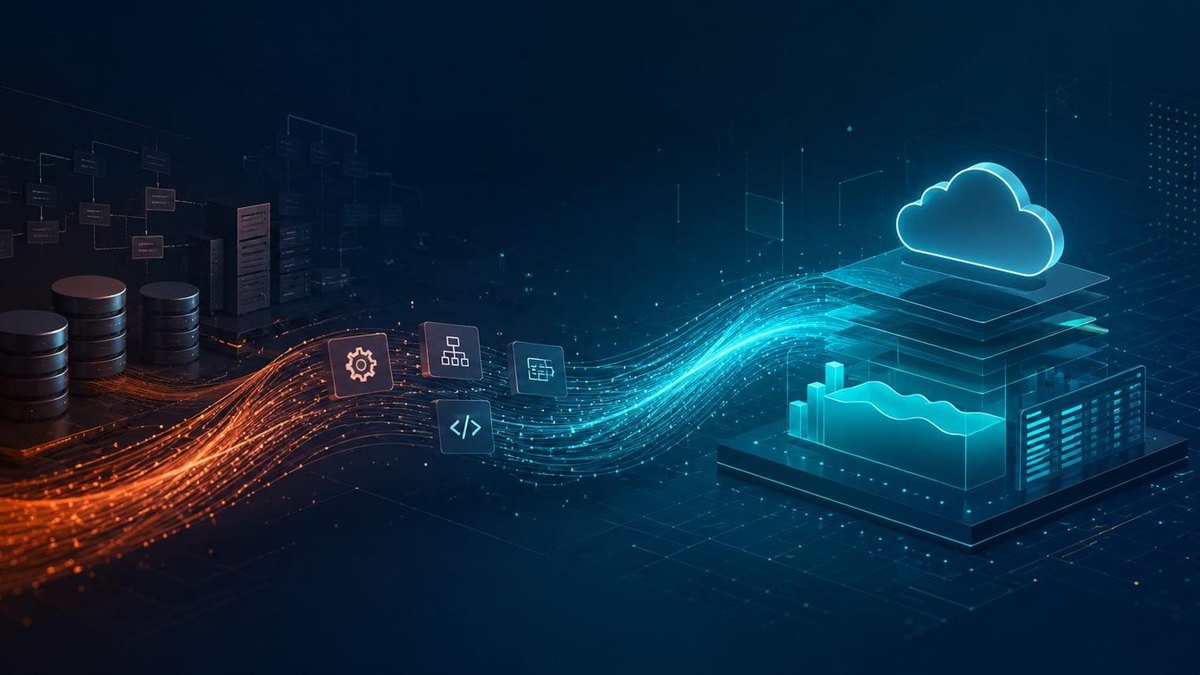
When organisations modernise their core platforms, attention naturally goes to the new system: its features, its user experience and the processes it will enable. Data migration is often planned as a technical workstream that moves records from the old system to the new one towards the end of the programme.
That view underestimates what is at stake. Users judge a new platform by the data they see on the first day. If customer records are duplicated, balances do not match or history is missing, confidence drops quickly, regardless of how well the new system has been designed.
Records are not just rows in a table. They reflect years of business decisions, workarounds and rules that may never have been documented. A status code in a legacy system might mean different things to different teams. A field may have been repurposed long ago. Some information may only make sense alongside data held in another application.
Moving that data without understanding its meaning risks carrying old problems into a new platform, or losing context the business still relies on.
Successful migrations involve the business from the start. Data owners help decide what should move, what should be cleansed or archived, and which rules define good data in the new platform. These are business decisions with operational, financial and compliance implications, not technical details to resolve later.
Questions to answer early
What data does the business genuinely need in the new system? How much history is required? Who approves exceptions? What evidence is needed before cut-over is approved?
In most enterprise environments, the new platform will not operate alone. It will exchange data with finance, operations, reporting and customer-facing systems. Migration design should consider these integrations from the outset, so that data loaded at cut-over is consistent with the data that will flow through interfaces afterwards.
Migration does not end when the new system goes live. Legacy data may need to be archived and remain accessible for compliance or reference. Old systems need a clear decommissioning plan. Most importantly, the data quality rules defined during migration should become part of ongoing data governance, so the new platform stays trustworthy over time.
A successful migration is measured not by how many records were moved, but by how confidently the business can use them.
The Scalo perspective
At Scalo, we treat data migration as a core part of modernisation, not an afterthought. We bring structured assessment, business-aligned mapping and repeatable validation and reconciliation to every migration, and data quality and migration tooling is a focus area for Scalo Labs.
Relevant Scalo service · Deliver
Implementation, migration and modernisation with accountable delivery from start to finish.
Data issues found at cut-over are the most expensive kind. A repeatable approach to assessment, validation and reconciliation brings them forward.
5 min read
Modernisation programmes stall when the technology choice comes before the business decisions it should serve. Here is a simple way to put architecture first.
5 min read
Enterprise AI is evolving beyond conversational chatbots towards intelligent agents capable of reasoning, coordinating tasks and taking action across business systems. Discover how agentic AI is changing enterprise operations, where it delivers practical value and what organisations must consider before adopting it at scale.
8 min read
Scalo acknowledges the Traditional Custodians of the lands on which we live and work, and pays respect to Elders past and present.